
Choose the first overnight stop before the scenic detour
A first road trip with two adults and one child does not need an epic distance. Imagine leaving home after breakfast, stopping somewhere with space to move, and reaching your accommodation while there is still time to find dinner. That rhythm gives you a much clearer introduction to family driving than a route assembled from every scenic pin on a map.
Start with the distance your household can comfortably manage, then examine the actual route. A navigation estimate describes movement, not the entire day. Toilets, food, queues, parking, and unloading all add time. Choose one worthwhile stop and one backup rather than assuming every roadside attraction will fit. Keep the final stretch short enough that a delayed lunch does not turn arrival into a crisis.
Build a route with deliberate stopping places
Look for stops with toilets, a predictable food option, and a place to stretch without standing beside moving traffic. A pleasant park near the main route can be better than a highly rated attraction that adds an hour each way. Check opening dates and parking through the relevant operator before relying on either.
| Route element | What to record | Why it matters |
|---|---|---|
| First leg | Distance and realistic drive time | Sets a comfortable departure |
| Main break | Toilets, food, parking, opening | Combines several needs |
| Final leg | Check-in window and dinner plan | Protects the first evening |
Give the non-driving adult the booking details and offline address. Agree before departure that the driver does not handle route changes on a phone. A passenger can investigate alternatives while the driver concentrates on the road. If both adults drive, check the rental agreement before assuming either can take a turn.
Resolve the car and child-seat questions early
For US travel, NHTSA's car-seat guidance explains selecting a restraint for the child's size and using the manufacturer and vehicle instructions. Make that part of booking rather than an airport-counter decision. For travel elsewhere, check the relevant local requirements and the seat manufacturer's guidance for the actual vehicle. This guide does not replace those instructions.
If renting, request clear information about the seat available, pickup arrangements, luggage capacity, fuel or charging conditions, and additional-driver charges. A photograph of a vehicle category is not a guarantee of a particular model. Three seats may be enough for people while the boot remains too small for a stroller and three large cases. Measure your bulky items before paying for an upgrade.
Compare bringing a familiar suitable seat against hiring one, including carriage, installation, and the practical transfer from terminal to counter. Buying a new restraint purely because it is advertised for travel deserves careful scrutiny. Convenience is only one part of suitability.
Pack for access, not just capacity
Separate the day's supplies from overnight luggage. Put a change of clothing, simple activities, wipes, snacks appropriate for your child, and the next stop's information where the passenger can reach them. Keep the cabin organized and follow the vehicle's guidance on securing luggage. Do not build a tower of loose objects to avoid unpacking the boot.
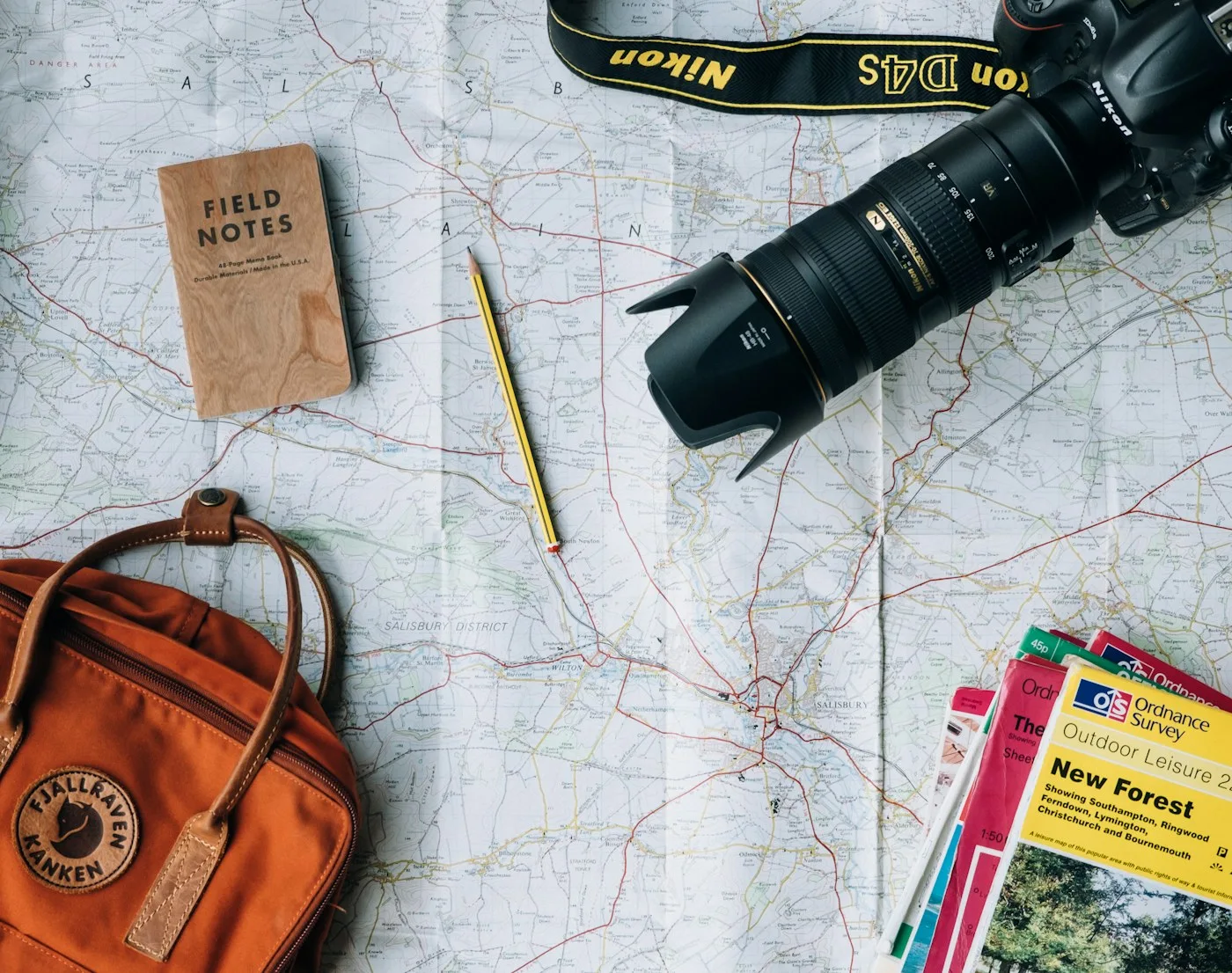
Give your child a small choice of activities rather than an overflowing bag. An audiobook, a paper map to mark, and one familiar object can be easier to manage than a new toy collection with tiny pieces. Our daypack guide helps create a compact shared kit; the arrival plan keeps bedtime essentials accessible after the drive.
Budget using actual components: vehicle hire, additional driver, child equipment, fuel or charging, tolls, parking, accommodation, meals, and any one-way fee. A roadside hotel with included parking can beat a lower central rate once overnight parking is added. Check conditions before booking either.
Common first-trip questions
How long should the first day be? There is no universal family limit. Choose a conservative route based on your own ordinary journeys, planned breaks, and the driver's comfort. Do not treat an ambitious online itinerary as a target you must meet.
Should we prebook every overnight? Book the critical first stay and any busy destination where your budget or room needs reduce choice. Flexibility works only when suitable accommodation is actually available.
Is a bigger vehicle always better? No. Compare useful luggage space, parking practicality, access, and total cost. The best car is one that accommodates your people and equipment properly while fitting the route you will drive.
Official sources and planning checks
Details can change. Confirm dates, accessibility, booking conditions and current charges directly before making a purchase. Sources checked October 10, 2026.
Keep planning together
Use the family trip checklist to organize documents, packing and reservations. Our family stay guides explain room and booking tradeoffs.